

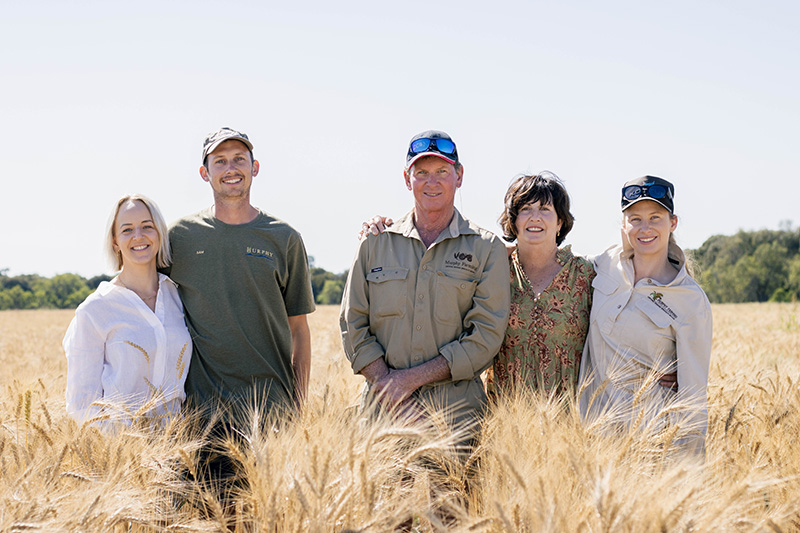

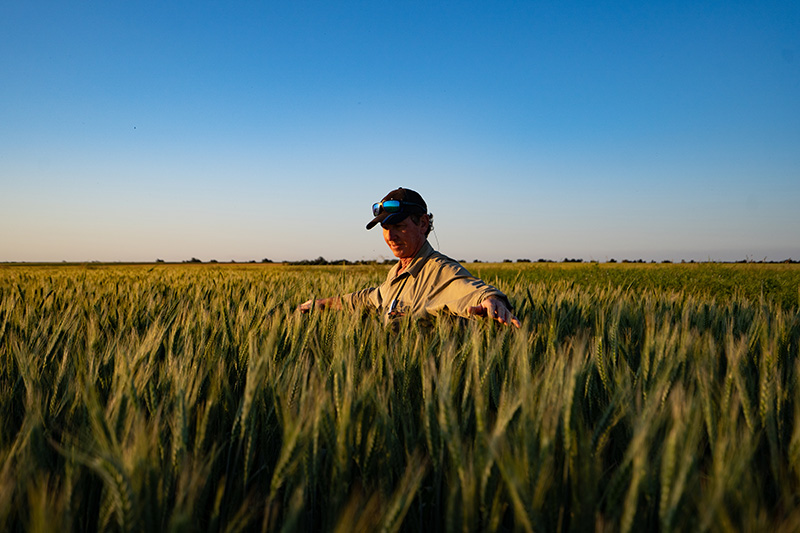
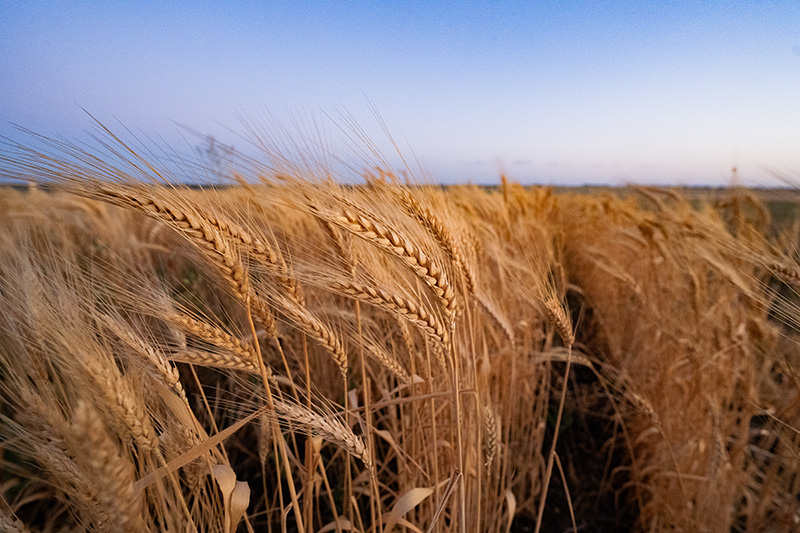
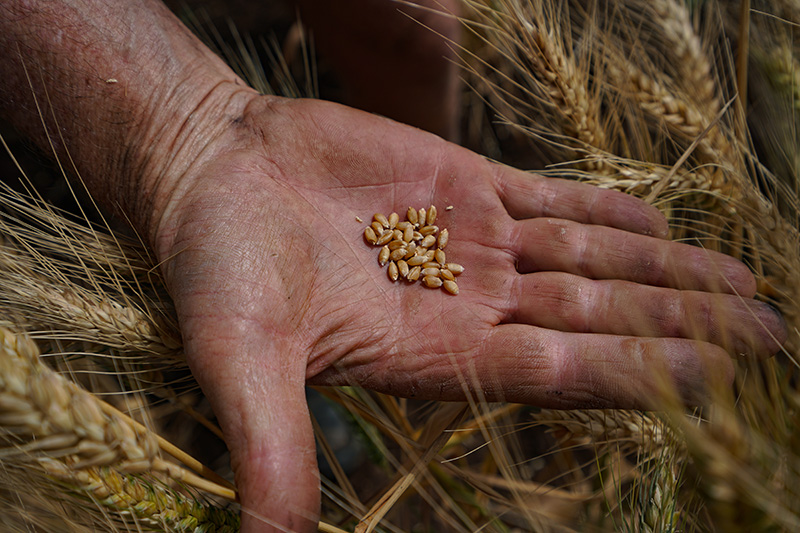
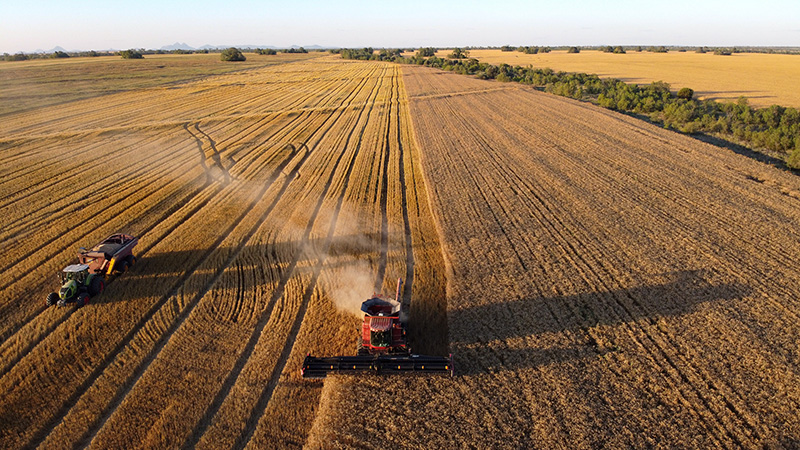


Paul and Cherry’s farm is located outside Capella in Central Qld, an important wheat growing area for Kialla. The weather patterns, seasonal conditions, and soils around Central Qld differ quite a bit from wheat growing areas in southern parts of Australia, and even from the wheat areas on the Darling Downs near the Kialla mill.
Their focus is on growing Heritage Wheat that has been bred for the local conditions, and the story behind this grain is very interesting:
The ‘Foster’ Story as told by the Murphys
The Modern Wheat Dilemma
As a fourth-generation grain farmer, it is a major dilemma to witness the growing prevalence of wheat allergies and gluten intolerance in so many Western communities. Conversations with older farmers suggested that these issues were unheard of before the 1960s and 1970’s, which is coincidently when the ‘Mexican Dwarf’ gene was introduced to the Australian wheat breeding program. This gene revolutionised agriculture by creating shorter plants that produced significantly higher yields. However, some speculated that this genetic shift may have inadvertently contributed to the rise in wheat-related health problems, along with the increased use of pesticides and synthetic fertilisers in the agricultural sector. The shorter plant was less likely to topple in high winds and redirected resources from stem growth to grain production, resulting in significantly higher yields. However, a shorter plant’s reduced height also diminished its ability to compete with weeds, as it couldn’t block sunlight as effectively as taller plants. This limitation often necessitated increased use of herbicides to manage weeds in the crop.
The wheat industry’s relentless focus on maximising yield has often come at the expense of consumer and environmental health. This, along with the abandonment of a direct relationship between the people who grow the grain with those who consume it, has taken the wheat industry down a somewhat misguided path in our view. Determined to address this imbalance, our family committed to resurrecting a pre-modern variety of wheat, aiming to replicate a time when wheat allergies were unknown and farming methods were totally natural. As a Certified Organic Farming enterprise for over 30 years, we relied entirely on organic farming practices to develop and grow pre-Mexican Dwarf varieties like ‘Foster’ wheat for market assessment. The results have been inspiring and remarkable, and a huge learning experience on many levels. Numerous consumers have shared stories of improved digestion and renewed satisfaction, celebrating the return of a wheat variety that aligns with both tradition and health, and promoting the benefits of a totally natural farming system.
George Foster: A Pioneer in Wheat Breeding
George Foster was born in 1897, at Weetulta South Australia, the youngest of four brothers. George and his family moved around South Australia and in 1926 settled on land around Minnipa. The land was Mallee scrub and had to be developed. It was a hard life for George and his brothers as this was a time before heavy machinery, when hard work was achieved through manual labour and home designed and made contraptions. It is these beginnings, however, where George developed an early appreciation for the land and innovation. In 1946, George moved to Bowenville, Queensland where he held a licence to grow wheat. It was also where he developed his love for growing and propagating trees and plants. However, it wasn’t until he moved to Capella in Central Queensland in 1960, at the age of 62, that he began a journey that would cement his legacy as a visionary in wheat breeding.
The Birth of Foster Wheat
George’s move to Capella was not the start of his farming career, but it marked the beginning of his work as a self-taught wheat breeder and selector. George was a true organic farmer long before organic farming was a concept. Inspired by the methods of William Farrell in the 1890s, George sought to develop a wheat variety that could withstand the harsh conditions of Central Queensland. This was no small feat in an era when resources for research were scarce and scientific tools were limited.
By the mid-1960s, George, with the help of his son Gordon, succeeded in creating the foundations of what would become the ‘Foster’ variety. Using traditional crossbreeding methods in his garden, they developed a cultivar that was hardy, resilient, and ideally suited to the challenging local environment. The wheat thrived on their property, Ellerslie, where it became a staple crop. George continued to grow and refine the ‘Foster’ wheat until his passing in 1993. Gordon carried on the tradition, maintaining the crop and becoming an early adopter of the Certified Organic Movement until his retirement in 2014. It is particularly relevant that these early adopters of certified organic farming methods also created a wonderful variety of wheat with so many consumer benefits, and it is a key driver for us to keep this wheat available to all in a certified organic range.
The Threat of Extinction
When Gordon retired from a long career of farming and machinery maintenance, the future of the ‘Foster’ wheat variety seemed uncertain. Without a clear plan for its preservation, the remaining seeds were set aside, destined to be used as cattle feed. This might have been the end of the story if not for a chance encounter with a mutual friend, another local organic farmer who wanted to help keep this legacy variety going and knew that we were actively testing and trialling many forgotten seed lines in our pursuit of resurrecting old wheat varieties. Recognising the historical and agricultural value of ‘Foster’ wheat, we were given a selection of hessian bags containing seeds that had been treated with diatomaceous earth years earlier. To our delight, the seeds germinated successfully, allowing us to rejuvenate and stabilise the cultivar. The Breeder’s Rights were officially signed over to us on the understanding that we would maintain an organically produced supply as well as keep the heritage of the family and their achievements alive for the benefit of future generations.
A Flour with a Difference
As the ‘Foster’ wheat was reintroduced, its qualities became evident immediately. Not only did it produce a versatile and flavoursome flour, but it also seemed to cause fewer gluten intolerance issues for consumers. Although no scientific studies have confirmed this observation, anecdotal evidence from countless users highlighted a noticeable difference where many reported being able to enjoy bread and baked goods for the first time in years without adverse reactions.
Preserving a Legacy
Today, the ‘Foster’ wheat variety stands as a testament to George Foster’s vision and dedication. Despite the challenges of growing and maintaining older wheat varieties, the effort is justified by the gratitude of customers who can once again enjoy wheat products. Our family’s commitment to organic farming and the preservation of heirloom grains ensures that George’s work continues to benefit future generations.
George Foster was indeed a man ahead of his time. His passion for creating a simple, resilient wheat variety not only addressed the agricultural challenges of his era but also laid the groundwork for addressing modern concerns about health and sustainability. His story is a reminder that innovation rooted in tradition can yield results that endure far beyond a single lifetime. Our family have named the wheat variety ‘Foster’ in memory of the Foster Family.